


Water Heater Rumbling: What That Sound Means

That low, rolling sound from the garage, closet, or utility room is easy to ignore - until the next shower turns lukewarm. Water heater rumbling usually means something inside the system needs attention. Often, the cause is mineral sediment at the bottom of a storage tank. Occasionally, it can point to overheating, excessive pressure, or a component that needs prompt professional service.
A rumbling water heater is not automatically an emergency, but it is not a sound to write off as normal either. Acting early can protect your hot water supply, improve efficiency, and help you avoid a more expensive replacement before its time.
Why Is Your Water Heater Rumbling?
Most conventional tank-style water heaters make some noise during normal operation. You may hear a soft burner ignition on a gas unit, a faint hum from an electric unit, or the gentle movement of water as the tank reheats. Rumbling, popping, crackling, or a kettle-like boiling sound is different. It usually happens when water is forced through a layer of mineral buildup.
Southern California water can carry dissolved minerals, especially calcium and magnesium. When water is heated, those minerals separate and settle at the base of the tank. Over years of use, the sediment can form a thick, hardened layer.
Once that layer is in place, heat from the burner or electric elements does not transfer to the water as efficiently. Small pockets of water can become trapped beneath the sediment, heat rapidly, and release as steam bubbles. That is what often creates the rumble or popping noise homeowners hear.
The sound may be more noticeable when the unit has been working hard, such as after several showers, laundry, or a full dishwasher cycle. If your water heater is older and has never been flushed, sediment is the leading suspect.
Sediment Is Common, but It Still Has Consequences
A water heater can continue to provide hot water with some sediment in the tank. The question is how much buildup is present and whether it is affecting performance. A minor sound may be an opportunity for routine maintenance. Loud, frequent rumbling paired with reduced hot water is more likely to mean the buildup has become significant.
Sediment makes the system work harder and longer to heat the same amount of water. That can raise energy use, put extra strain on the tank, and shorten the life of heating elements in electric models. In gas water heaters, sediment can also cause the bottom of the tank to overheat, sometimes leading to damage that cannot be reversed.
It can also reduce usable capacity. A 50-gallon tank that has lost several gallons of space to mineral buildup simply cannot deliver the same amount of hot water it once did. If your family has started running out of hot water faster than usual, the rumbling may be part of the same problem.
Other Reasons a Water Heater May Make Noise
Sediment is common, but a proper diagnosis matters. The right next step depends on the type of noise, where it comes from, and whether the water heater is showing other symptoms.
High water temperature or pressure
A very hot, boiling-like sound may occur when the thermostat is set too high or when the system has a pressure issue. For most homes, a setting around 120 degrees Fahrenheit is a sensible balance of comfort, energy use, and scald protection. Raising the temperature does not necessarily solve a hot-water shortage, and it can create safety concerns.
If you see water dripping from the temperature and pressure relief valve, hear a high-pitched squeal, or notice unusually hot water at fixtures, do not ignore it. Leave the area around the water heater clear and arrange for a qualified technician to inspect the system. The relief valve is a critical safety component, not a part to cap, plug, or disable.
Loose pipes or water hammer
Sometimes the water heater is blamed for a sound that is actually coming from nearby plumbing. A bang or thud when a faucet, washing machine, or dishwasher stops can be water hammer - a pressure surge in the pipes. Loose pipes can amplify the noise and make it seem as though it is coming from the tank.
Water hammer is a different issue from sediment rumbling. It may require pipe securing, pressure evaluation, or a water hammer arrestor, depending on the home’s plumbing layout.
A noisy tankless water heater
Tankless units do not store hot water, so they do not develop a sediment layer at the bottom of a tank. However, they can still make noise when mineral scale builds up inside the heat exchanger. A tankless unit that rumbles, whistles, or runs louder than normal may need a professional descaling service.
Tankless maintenance is especially worthwhile in areas with hard water. Skipping it can reduce flow, limit hot-water performance, and affect the life of an expensive heat exchanger.
What You Can Safely Check Before Calling
Start with the simple observations that help identify the problem. Check whether the sound occurs only while the unit is heating or continues at other times. Notice whether hot water runs out sooner, looks rusty, smells unusual, or varies in temperature. Look at the floor around the unit for moisture, and check for water around the relief valve or drain valve.
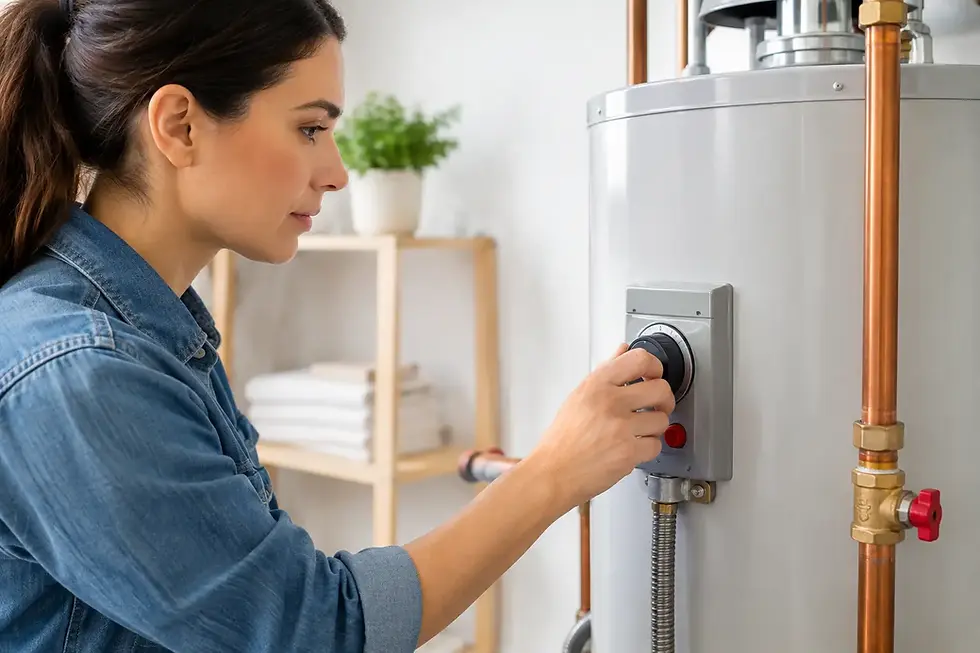
You can also confirm the thermostat setting, following the manufacturer’s instructions for your specific model. Avoid removing access panels, touching wiring, adjusting gas controls, or attempting to test the relief valve if you are not comfortable doing so. Gas, electricity, pressurized water, and very hot surfaces all meet at a water heater, so a quick do-it-yourself fix can become an unsafe one.
If the rumbling began suddenly after years of quiet operation, that timing is useful information. If the unit is more than 10 years old, has visible corrosion, or has begun leaking, it may be nearing replacement rather than simply needing maintenance.
Can Flushing Stop Water Heater Rumbling?
Flushing can help when sediment is loose enough to be removed through the drain valve. During a standard service, a technician drains the tank, flushes sediment, checks operating conditions, and looks for warning signs such as corrosion, leaking fittings, or a failing relief valve.
But flushing is not a guaranteed cure. In an older tank with years of hardened buildup, a basic flush may remove only part of the sediment. In some cases, disturbing heavy sediment can expose an existing weakness in the tank or drain valve. That does not mean maintenance caused the problem - it means the water heater was already in poor condition.
This is why age and condition matter. A newer water heater that rumbles may benefit greatly from maintenance. A heavily scaled 12- to 15-year-old tank that is noisy, inefficient, and showing corrosion may be better served by replacement. An honest inspection should explain both options and the trade-offs, not push a one-size-fits-all answer.
When Rumbling Calls for Fast Service
Schedule service soon if the noise is persistent, gets louder, or comes with poor hot-water performance. Call for urgent help if there is active leaking, a gas smell, scorch marks, repeated breaker trips on an electric model, or water discharging from the relief valve. If you smell gas, leave the area, avoid switches or flames, and contact your gas utility or emergency services from a safe location.
For homeowners in Santa Barbara, Ventura, and nearby Los Angeles County communities, The Water Heater Wizard can evaluate the source of the noise and explain whether flushing, repair, water treatment, or replacement makes the most sense. The goal is not just to quiet the tank. It is to restore dependable hot water safely and keep a small problem from turning into a cold-shower surprise.
Reduce Future Sediment Buildup
Regular maintenance is the best defense against sediment-related noise. The ideal schedule depends on water quality, household water use, and the type of water heater, but annual inspection is a practical starting point for many homes. Homes with hard water may benefit from more frequent attention.
A whole-house water softener can reduce the minerals that create scale, while a filtration strategy may address other water-quality concerns. These systems are not necessary for every household, but they can be worthwhile where heavy scale repeatedly affects fixtures, appliances, and water-heating equipment.
Pay attention to the sounds your home makes. A water heater that begins rumbling is often asking for maintenance, not announcing a disaster. Getting a clear diagnosis while the unit is still producing hot water gives you more choices, more control over cost, and a better chance of keeping those cold showers where they belong - magically disappeared.


Comments