


How to Fix Inconsistent Shower Temperature
- Della Sparks

- 2 days ago
- 5 min read
A shower that swings from comfortable to scalding, then suddenly cold, is more than a frustrating way to start the day. To fix inconsistent shower temperature, you first need to identify whether the change happens when someone else uses water, after a few minutes in the shower, or at every fixture in the house. Those details point to very different problems - and help you avoid replacing the wrong part.
For homeowners in Santa Barbara, Ventura, and nearby Los Angeles County communities, hard water, aging water heaters, older fixtures, and high household demand can all play a role. Some causes are simple fixture repairs. Others are signs your water heater needs professional attention before a minor comfort issue becomes a no-hot-water emergency.
Why Does Your Shower Temperature Keep Changing?
Your shower relies on a steady supply of hot water and a stable balance between hot and cold water pressure. When either side changes, your shower temperature changes with it.
If the water turns cold only when a toilet flushes, a washing machine fills, or another shower starts, the problem is often at the shower valve. Cold water pressure temporarily drops when another fixture calls for water. Without a working pressure-balancing valve, the shower receives proportionally more hot water, which can make it suddenly too hot. When pressure returns, the temperature shifts again.
If the shower starts warm and gets cold after several minutes, the water heater may not be keeping up. That can happen when a tank is too small for household demand, sediment has reduced usable tank capacity, a heating element has failed in an electric unit, or a gas water heater has burner or thermostat issues.
The pattern matters. A temperature issue at one shower is usually a fixture or local plumbing issue. The same issue at multiple fixtures is more likely related to the water heater, incoming water pressure, or the home's plumbing system.
Start With These Safe Checks at Home
Before taking anything apart, pay attention to when the problem occurs. Run hot water at a bathroom or kitchen sink. If it stays consistently hot there while the shower fluctuates, your water heater may be doing its job and the shower cartridge deserves a closer look.
Next, test the shower while no one else is running water. Then have someone flush a toilet or turn on a nearby faucet. A dramatic temperature swing during that test strongly suggests a pressure-balance problem. Modern anti-scald shower valves are designed to compensate for those pressure changes, but their internal cartridges can wear out or become clogged with mineral buildup.
Check the water heater's temperature setting as well. Most homes are best served with a setting around 120 degrees Fahrenheit. Raising the setting may seem like an easy answer, but it can increase scald risk, especially for children and older adults, while also raising energy use. A higher setting will not repair a failing element, a worn shower valve, or a tank full of sediment.
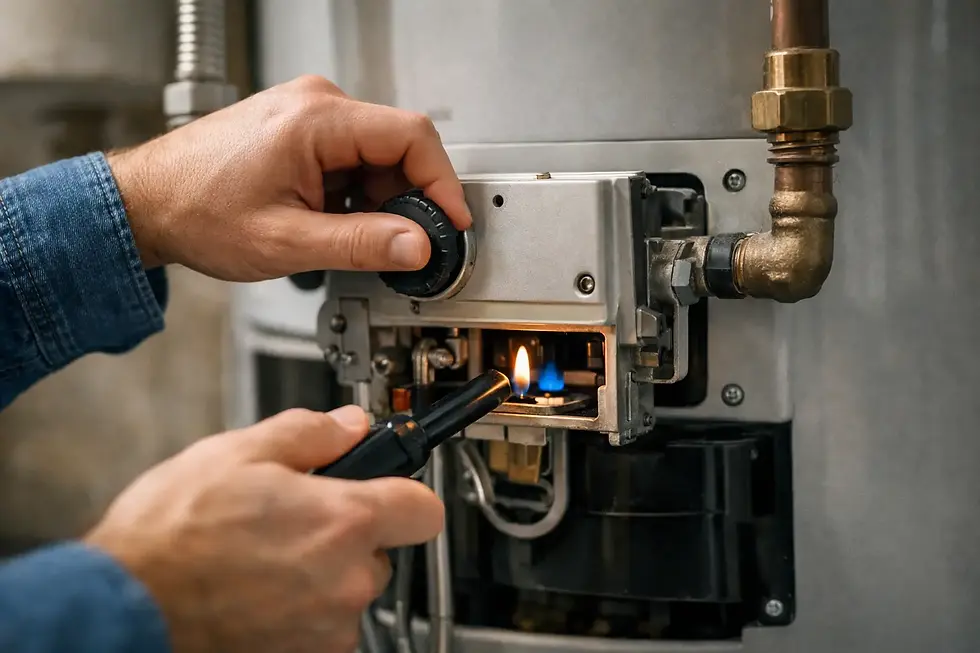
If you have a tank water heater, look around the unit for warning signs: moisture near the base, rust-colored water, popping or rumbling sounds, a weak pilot flame, or an error code on a newer system. Do not remove access panels, adjust gas controls, or open electrical compartments unless you are qualified to do so. Water heaters combine high heat, pressure, gas, or high-voltage electricity. This is one repair category where a quick guess can create a real safety problem.
Common Ways to Fix Inconsistent Shower Temperature
Replace a worn shower cartridge or balancing valve
When one shower has a mind of its own but other faucets are steady, a worn cartridge is a likely culprit. The cartridge sits inside the shower valve and controls the mix of hot and cold water. Mineral scale, normal wear, and debris in the water line can keep it from responding properly.
Replacing the cartridge can restore stable temperatures without opening walls or replacing the entire fixture. The right cartridge must match the existing valve brand and model, though, and shutting off water correctly is essential. In older homes, a corroded valve or inaccessible shutoff can turn a seemingly small job into a more involved repair.
If the valve itself is outdated or damaged, upgrading to a pressure-balancing or thermostatic valve may be the better long-term solution. Pressure-balancing valves react to pressure changes. Thermostatic valves actively regulate the water temperature and can offer more precise control, but they typically cost more and may require a more substantial installation.
Restore water heater performance
A shower that cools off after five to 15 minutes often points back to the water heater. In a conventional tank unit, sediment settles at the bottom over time. This is especially common in areas with mineral-heavy water. The sediment takes up space, reduces heat transfer, and leaves less usable hot water for your household.
Professional maintenance may include evaluating sediment buildup, checking the anode rod, inspecting safety components, testing electric heating elements, or assessing gas burner performance. A properly maintained unit usually performs more efficiently and may last longer, but maintenance cannot reverse a leaking tank or make an undersized water heater meet a growing family's demand.
If the unit is nearing the end of its expected service life, repair versus replacement depends on the specific failure, the age of the heater, and the cost of restoring dependable performance. A specialist should explain both paths clearly, including whether a larger tank, a high-recovery model, or a tankless system makes sense for your usage.
Address capacity and demand problems
Sometimes nothing is broken. The household simply needs more hot water than the current system can provide. This often shows up when two showers run at once, teenagers take back-to-back showers, or the dishwasher and laundry are operating during morning routines.
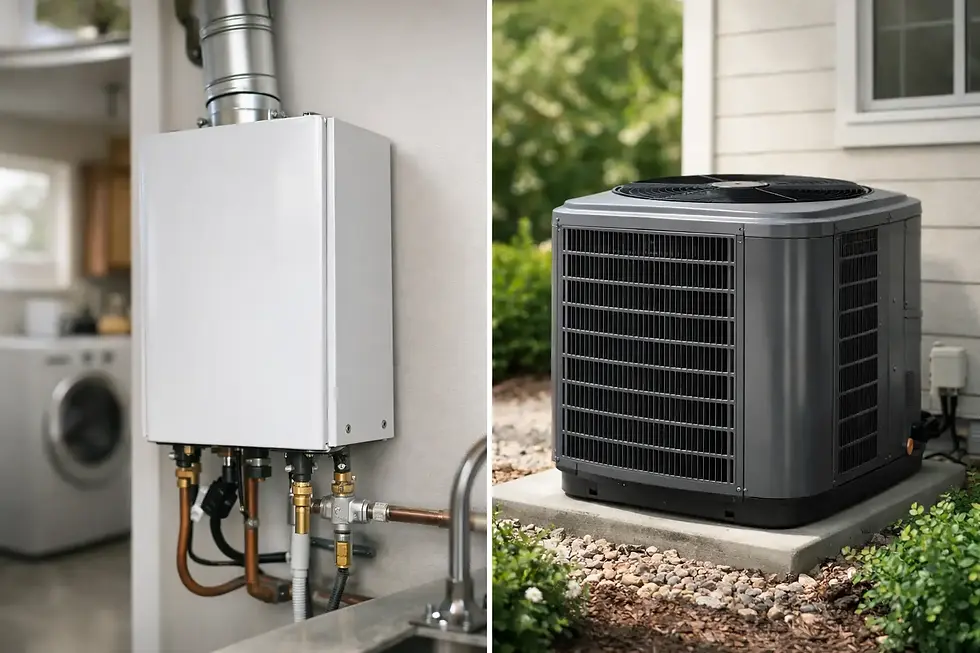
A larger tank can provide more stored hot water, while a tankless water heater heats water on demand. Tankless systems can be an excellent fit for some homes, but sizing is critical. Their performance depends on flow rate, incoming groundwater temperature, gas supply or electrical capacity, and how many fixtures may run at once. The best choice is based on your home's actual demand, not just the promise of endless hot water.
Correct crossover and recirculation issues
A less obvious cause is a plumbing crossover, where hot and cold water unintentionally mix through a faulty fixture, mixing valve, or connection. You may notice lukewarm water at several fixtures, hot water appearing in a cold line, or a water heater that seems to run out unusually fast.
Homes with hot water recirculation systems also need correct installation and controls. Recirculation can reduce the wait for hot water and save water that would otherwise go down the drain, but a failing check valve, incorrect timer setting, or plumbing issue can affect temperature consistency. Diagnosis is more valuable than guessing here because the symptoms can resemble a water heater problem.
When It Is Time to Call a Water Heater Specialist
Call for professional help promptly if the shower temperature changes throughout the house, hot water is discolored, the water heater leaks, you smell gas, the pressure relief valve discharges repeatedly, or an electric unit trips a breaker. Gas odor calls for immediate safety action: leave the area, avoid switches and flames, and contact the gas utility or emergency services from a safe location.
It is also worth scheduling service when the problem is recurring, even if hot water eventually returns. Repeated cold showers often signal an aging component, sediment accumulation, or a system that is no longer matched to the home. The Water Heater Wizard can inspect the full picture - the heater, the shower valve, water quality concerns, and household demand - so the recommendation addresses the cause rather than just the symptom.
A reliable shower should not require careful timing, warning everyone before flushing, or rushing through shampoo. Pay attention to the pattern, keep water heater maintenance on schedule, and bring in a qualified professional when the diagnosis involves gas, electricity, pressure, or a system-wide issue. That is how cold showers magically disappear for good.

Comments