

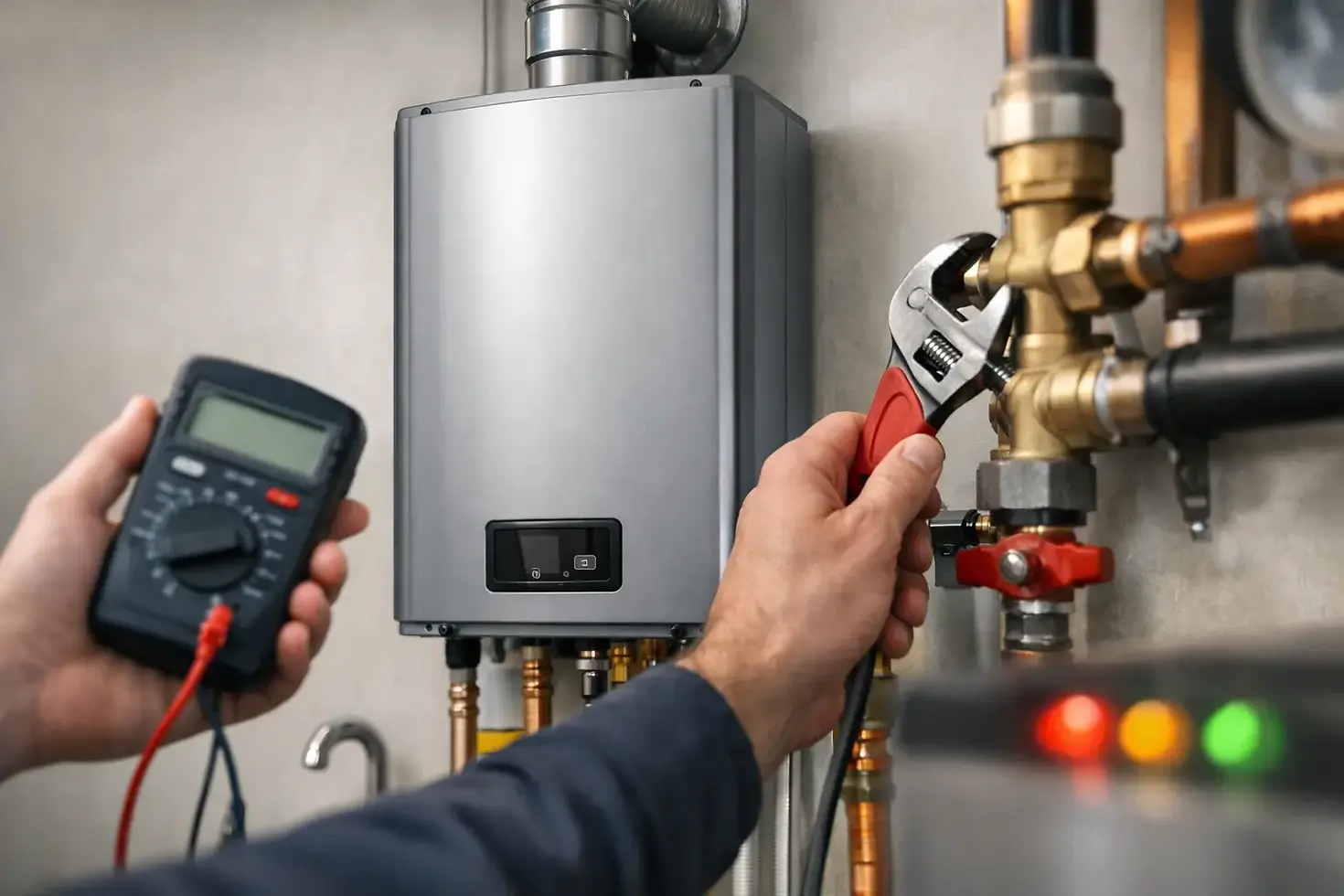
Takagi Tankless Water Heater Error Codes
- Della Sparks

- Jun 11
- 6 min read
A Takagi unit usually does not fail without warning. It flashes a code, stops heating, or starts acting inconsistently long before you are standing in a cold shower wondering what happened. If you are searching for takagi tankless water heater error codes, the good news is that the code on the display often points you in the right direction. The part that matters is knowing which checks are safe for a homeowner and which ones should stay in a trained technician’s hands.
What Takagi tankless water heater error codes are telling you
Error codes are your water heater’s way of narrowing down the problem. They do not always identify the exact failed part, but they usually identify the system involved - ignition, flame sensing, airflow, venting, heat exchanger protection, or water flow.
That distinction matters. A code tied to water flow may be caused by something simple like a dirty inlet screen or closed service valve. A code tied to combustion may point to a gas supply issue, venting problem, flame sensor trouble, or a control board fault. Two different repairs can produce the same symptom at the faucet, which is why reading the code is far more useful than guessing.
For homeowners in Southern California, one more thing is worth mentioning. Tankless units here often work hard year-round because households expect steady hot water for showers, laundry, dishwashing, and sometimes recirculation systems. Add hard water in some service areas, and maintenance becomes a bigger part of reliability than many people expect.
Common Takagi tankless water heater error codes
Takagi model numbers vary, and code meanings can differ slightly by series, so always compare what you see with your unit’s documentation. That said, a few categories come up again and again in service calls.
Ignition and flame failure codes
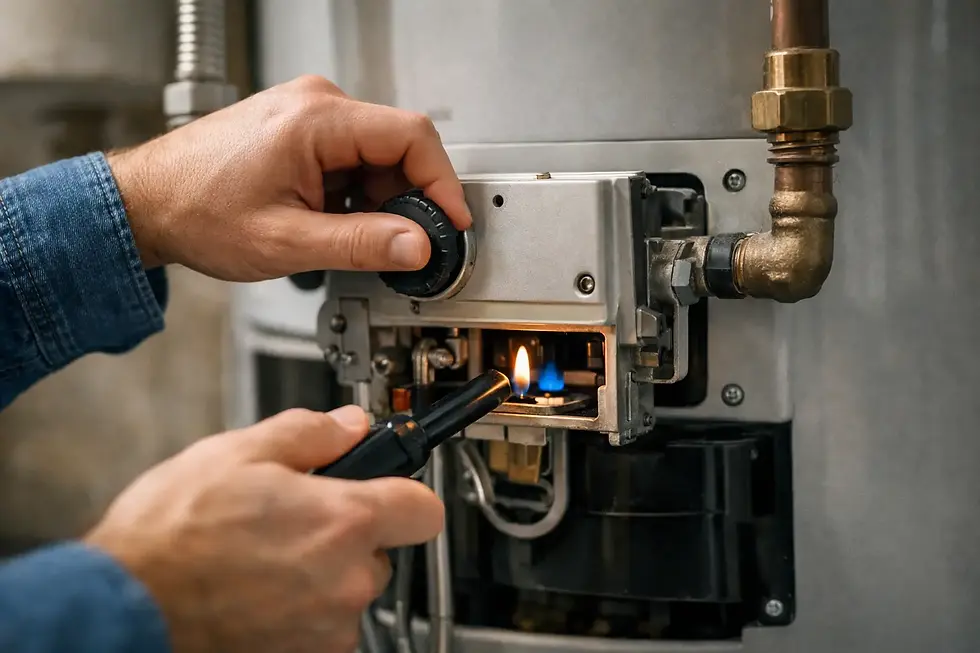
If your Takagi displays a code related to ignition failure or flame loss, the unit is telling you it tried to fire and could not establish or maintain combustion. Homeowners sometimes assume this means the heater itself is bad, but that is not always true.
A temporary gas interruption, low gas pressure, air in the gas line after service, a dirty flame rod, or venting issues can all cause this type of shutdown. If you recently had gas work done elsewhere in the home, that detail matters. So does whether other gas appliances are working normally.
Overheat and heat exchanger protection codes
These codes are meant to protect the unit. They may appear when scale buildup restricts heat transfer, when water flow is too low, or when sensors detect temperatures outside the expected range.
This is one of the clearest examples of why regular flushing matters. Mineral buildup inside a tankless heat exchanger can make the unit work harder, reduce efficiency, and trigger protective shutoffs. If the heater has gone years without descaling, the code may be a symptom of neglected maintenance rather than sudden equipment failure.
Air supply and venting codes
A tankless heater needs the right balance of fuel and airflow. If the intake or exhaust is blocked, disconnected, improperly sloped, or compromised by debris, the unit may lock out for safety.
These problems should be taken seriously. Combustion appliances are not forgiving when venting is incorrect. A homeowner can visually check for obvious blockages at accessible exterior terminations, but beyond that, vent diagnosis is usually a professional job.
Water flow and sensor-related codes
Some Takagi tankless water heater error codes relate to flow sensors, thermistors, freeze protection circuits, or communication between components. These can be more frustrating because they may produce intermittent symptoms. You get hot water sometimes, then not at all.
In those cases, the issue may be an actual failed sensor, loose wiring, scaling that affects readings, or even installation conditions that prevent stable operation. This is where experience matters. Replacing parts without confirming the root cause gets expensive fast.
What you can safely check before calling for service
There are a few practical steps homeowners can take without putting themselves at risk.
Start with the basics. Make sure the unit has power, the gas shutoff is fully open, and the isolation or service valves are in the correct position. If the display is blank, check the breaker or nearby outlet first. If the display is on but there is no hot water, note the exact code and whether it appears immediately or only when a fixture is opened.
Next, confirm water flow. Tankless heaters need a minimum flow rate to activate. If only one low-flow faucet is running, the unit may not fire consistently. Try a different fixture, preferably a shower or tub, and see whether the behavior changes.
You can also look for obvious vent termination blockages if they are safely visible from outside. Leaves, nests, and debris can interfere with intake or exhaust. Do not disassemble vent piping yourself.
If your unit has a reset procedure in the manufacturer instructions, you can try that once. If the same code returns, repeated resets are not a repair. They just delay the real fix.
When not to troubleshoot it yourself
If you smell gas, hear abnormal combustion sounds, see signs of scorching, or notice leaking around the unit, stop there and call for help. The same goes for any code that appears to involve overheating, venting safety, or repeated ignition failure.
Tankless systems pack a lot of performance into a compact appliance. That efficiency comes with tighter tolerances. Gas pressure, combustion analysis, vent sizing, condensate handling on certain systems, control board diagnostics, and scale conditions all affect operation. A quick internet fix can turn a manageable repair into a bigger one.
The honest answer is that it depends on the code. Some issues are homeowner-observable. Many are not homeowner-repairable.
Why the same error code can have different causes
This is where people get tripped up. An ignition-related code does not automatically mean you need an igniter. A temperature-related code does not automatically mean a bad sensor. The code identifies the fault condition the board detected, not always the single failed part.
For example, poor maintenance can reduce flow and create overheating conditions. Improper venting can affect combustion and trigger flame-related shutdowns. Gas supply issues from outside the heater can mimic internal component failure. That is why a proper diagnosis usually includes checking operating conditions, not just swapping parts.
A specialist in tankless systems will usually look at maintenance history, water quality, vent setup, gas delivery, and live performance data before recommending a repair. That approach saves homeowners money because it avoids chasing symptoms.
Maintenance can prevent many error codes
Not every code is preventable, but a surprising number are tied to maintenance. Hard water scale is a major one. In many homes, annual descaling is a smart baseline. Some homes need it more often depending on water hardness, usage, and whether a softener is installed.
Cleaning inlet screens, checking burners and sensors, verifying vent integrity, and confirming proper combustion are also part of keeping a tankless unit dependable. This is especially true if your water heater supports a busy household where long showers, back-to-back laundry, and dishwashing all happen on the same day.
If your Takagi has started showing occasional codes but still recovers, do not ignore that early warning. Intermittent lockouts often become full shutdowns at the worst possible time.
Repair or replace?
Not every error code means the unit is near the end. Some repairs are straightforward and worth doing, especially if the heater is otherwise in good condition and has been maintained. On the other hand, if an older unit has recurring code history, scale issues, sensor failures, and declining efficiency, replacement can make more sense.
Age, repair frequency, installation quality, and parts availability all matter. So does the homeowner’s goal. If you want the lowest immediate cost, a repair may be the right move. If you want fewer disruptions and stronger long-term reliability, replacement may be the better investment.
That is why clear guidance matters. A dependable service company should explain the trade-offs honestly, not push one answer for every situation.
Getting the right help for Takagi tankless water heater error codes
When you call for service, having a few details ready can speed things up. Note the model number, exact error code, whether hot water is completely out or intermittent, and whether the problem started after any recent plumbing, gas, or power work. If your unit has not been flushed in years, say that too. It is useful information, not something to be embarrassed about.
At The Water Heater Wizard, LLC, this is the kind of problem we see every day. Homeowners usually do not need more jargon. They need hot water back, a clear explanation of what failed, and confidence that the repair is being done safely.
A tankless water heater is designed to make home life easier, not more mysterious. If your Takagi is flashing a code, take it as a prompt to act early. The faster the problem is diagnosed, the better your chances of avoiding bigger repairs, water temperature swings, and another cold shower when nobody has time for one.
Comments